Call Us
From Apple Orchards to Eco-Friendly Solutions. Let’s Talk 

Every winter, something familiar happens across Himachal’s apple belt. Trees are pruned, branches pile up, and by evening, smoke begins to rise from orchards. For years, this burning felt unavoidable. It cleared fields quickly, but it also filled valleys with thick haze, irritated lungs, and quietly damaged soil and forests.
What most people didn’t realize was that these discarded apple branches were never waste. They were energy. They were raw material. They were opportunity.
And today, that’s exactly how Himachal is starting to treat them.
Farmers never burned orchard waste because they wanted to harm the environment. They burned it because there was no system to collect it, no buyer for it, and no visible alternative. But over time, winter smog in apple regions became harder to ignore. Schools closed more often. Respiratory issues increased. Villages started asking a simple question:
That question sparked something new.
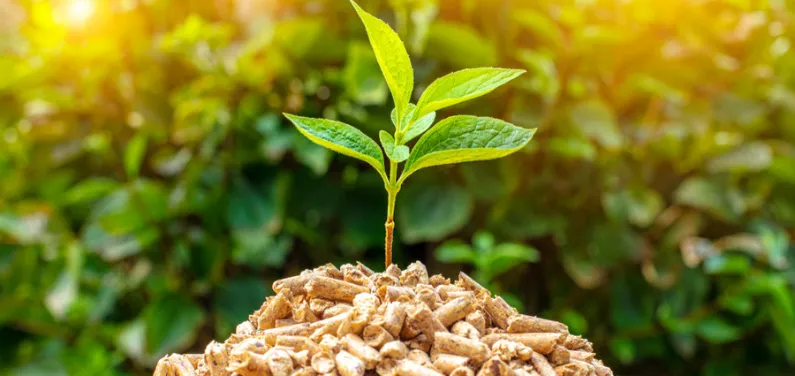
Across regions like Shimla, Theog, Rohru, and Jubbal, orchard pruning waste is now being collected instead of burned. Those dry branches are processed and transformed into biomass briquettes, pellets, mulch, compost, biodegradable tableware, and natural insulation boards.
What once polluted the air now powers boilers, heats kitchens, improves soil, protects roots, and replaces plastic products.
It’s a quiet shift, but it’s powerful.
For apple growers, this change has created a new income stream.
Earlier, orchard waste cost money to clear. Now, it earns money. Farmers can sell pruned branches instead of burning them. That extra income may seem small on paper, but in hill villages, it helps pay school fees, repair homes, and cover winter expenses.
The biggest change is something you can’t always see immediately, but you can feel it.
Biomass is quietly reducing Himachal’s seasonal pollution while strengthening a local green economy that stays within the state instead of depending on outside fuel and materials.
Himachal’s biomass movement is proving something important:
Sustainability doesn’t have to come from big cities or big factories.
It can grow from orchards, villages, and small mountain communities.
By rethinking waste, Himachal is building a future that protects forests, supports farmers, and reduces pollution, all while meeting real energy and material needs.
The hills are teaching us something valuable. Sometimes, the cleanest future begins with what we once threw away.